
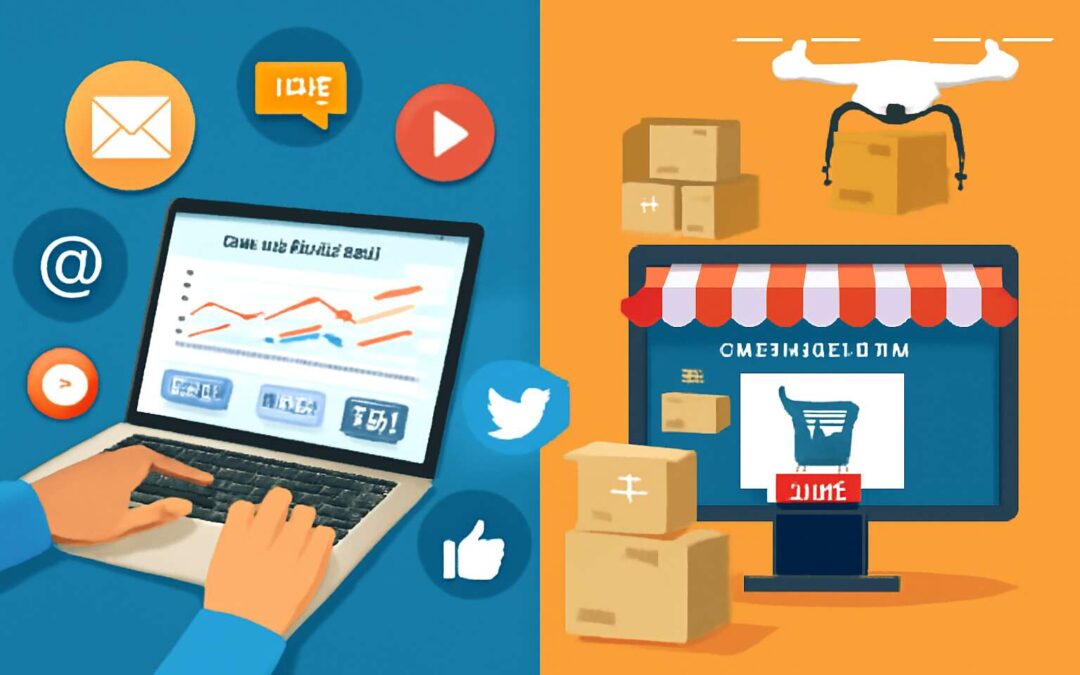
Understanding Digital Marketing and Dropshipping
What is Digital Marketing?
Understanding digital marketing and dropshipping is essential for anyone exploring the world of online business. Digital marketing encompasses a broad spectrum of strategies aimed at promoting products or services through digital channels. From social media campaigns to search engine optimization, it’s about connecting with potential customers where they spend most of their time—online. According to industry insights, businesses leveraging effective digital marketing strategies see an average increase of 20% in customer engagement.
On the other hand, dropshipping is a retail fulfillment method that allows entrepreneurs to sell products without holding inventory. It’s a low-risk way to start an online store, where the supplier handles storage and shipping. When considering the question of digital marketing vs dropshipping which is better, it’s important to recognize that they often work hand-in-hand. Successful dropshipping businesses rely heavily on digital marketing to attract and convert customers, making the two concepts deeply interconnected.
Key Strategies in Digital Marketing
Understanding key strategies in digital marketing is crucial when evaluating the debate of digital marketing vs dropshipping which is better. Digital marketing tactics like targeted social media advertising, content marketing, and pay-per-click campaigns are designed to reach South African consumers where they spend most of their online time. These strategies not only increase brand visibility but also foster trust and loyalty in a competitive environment.
For dropshipping entrepreneurs, leveraging digital marketing effectively can mean the difference between a fledgling idea and a thriving business. Since dropshipping relies heavily on attracting visitors to an online store, mastering SEO, influencer collaborations, and email marketing is essential. These methods work together to drive traffic and boost conversions, making digital marketing a vital component of any successful dropshipping operation.
To clarify the most effective approaches, some entrepreneurs favor a structured plan such as:
- Developing a compelling social media presence
- Optimizing website content for search engines
- Utilizing targeted advertising to reach niche markets
In the ongoing debate of digital marketing vs dropshipping which is better, it’s clear that without strategic digital marketing, even the best dropshipping products can struggle to find an audience. Both elements are intertwined, with digital marketing serving as the engine that drives dropshipping success in a crowded online marketplace.
What is Dropshipping?
Within the vast tapestry of modern commerce, dropshipping emerges as a captivating legend—an entrepreneurial quest that promises to transform dreams into reality with minimal upfront investment. But what exactly is dropshipping? At its core, it’s a retail fulfillment method where the seller acts as a conduit, connecting customers to suppliers who handle the inventory and shipping. This mystical process allows entrepreneurs to focus on curating a compelling online presence while the suppliers take care of the rest.
For those navigating the digital landscape in South Africa, understanding how dropshipping intertwines with digital marketing becomes essential. Successfully casting this spell requires mastery over SEO, influencer collaborations, and email marketing—each a vital rune in attracting the right audience. When integrated skillfully, these elements form a powerful arsenal that transforms a simple online store into a thriving marketplace, making the choice between digital marketing vs dropshipping which is better, a debate that hinges on strategic execution and deep understanding of the digital realm.
How Does Dropshipping Work?
Understanding digital marketing and dropshipping reveals two distinct yet intertwined paths in the world of online business. Digital marketing is the art of reaching your audience through strategic channels like social media, SEO, and email campaigns—building relationships and brand loyalty. Dropshipping, on the other hand, is a retail fulfillment model that allows entrepreneurs to sell products without holding inventory, relying instead on suppliers to handle the logistics. It’s a business model that thrives on effective marketing strategies.
How does dropshipping work? It’s surprisingly straightforward but requires a keen eye for market trends and customer needs. Here’s a quick overview:
- Identify a niche market with demand and minimal competition.
- Create an appealing online store optimized for search engines.
- Source reliable suppliers who can fulfill orders promptly.
- Leverage digital marketing tactics—SEO, social media, influencer collaborations—to attract traffic.
- When a customer makes a purchase, the order is forwarded to the supplier, who ships directly to the customer.
In South Africa’s vibrant e-commerce landscape, understanding the synergy between digital marketing vs dropshipping which is better can be the key to entrepreneurial success. Both require dedication, but their combination can unlock considerable growth potential for aspiring business owners!
Advantages of Digital Marketing
Wide Reach and Targeted Audience
In the sprawling digital landscape, the advantages of digital marketing unfold like a vast, enchanted realm—offering a wide reach that can span continents in the blink of an eye. This expansive connectivity is one of its most compelling traits, allowing businesses to cast their net far and wide, reaching potential customers from Johannesburg to Johannesburg, and beyond. The power of digital marketing lies not only in its reach but in its ability to hone in on a specific audience, making each message resonate with precision.
Unlike dropshipping, which often relies on niche markets and limited geographical targeting, digital marketing provides the tools to craft tailored campaigns that hone in on the most receptive audiences. This targeted approach ensures that marketing efforts are not just broad but also deeply impactful, transforming passive viewers into loyal patrons. Whether through social media, search engine optimization, or email campaigns, digital marketing’s ability to connect with the right people at the right time often makes it the more compelling choice in the epic debate of digital marketing vs dropshipping which is better.
Cost-Effectiveness and ROI
One of the standout perks of digital marketing is its astonishing cost-effectiveness coupled with a robust return on investment (ROI). Unlike traditional advertising that can drain your budget faster than you can say “marketing budget,” digital campaigns can be scaled to fit almost any pocket—big or small. This means even small startups in South Africa can punch well above their weight without breaking the bank.
What truly makes digital marketing shine in the ROI department is its ability to track and optimize campaigns in real-time. You can see exactly what’s working and what’s not—no more throwing money into the abyss. For instance, targeted social media ads or SEO efforts often cost a fraction of traditional media but can reach a highly specific audience. This precision ensures every rand spent has a greater chance of converting into revenue.
To put it simply, digital marketing isn’t just about throwing money at a wall and hoping something sticks. It’s about smart spending and strategic targeting that maximizes every cent. When weighing digital marketing vs dropshipping which is better, the cost-effectiveness of digital marketing often tips the scales in its favor—especially when aiming for sustainable growth in competitive markets like South Africa.
Brand Building and Authority
Building a strong brand presence and authority in the digital landscape isn’t just about visibility; it’s about embedding your brand into the minds of your audience. Digital marketing offers a unique platform to craft an authentic voice, foster trust, and establish credibility over time. Unlike dropshipping, which often focuses on quick sales, digital marketing emphasizes creating a lasting impression that encourages customer loyalty and advocacy.
In fact, one of the most compelling advantages of digital marketing is its ability to position a brand as an industry authority. By consistently delivering valuable content, engaging storytelling, and transparent communication, businesses can elevate their status and differentiate themselves in saturated markets like South Africa. This strategic approach transforms a brand from a mere seller into a trusted source, making it easier to command premium prices and cultivate a dedicated following.
Moreover, digital marketing enables brands to leverage social proof—testimonials, reviews, and user-generated content—that further solidify their reputation. This organic growth of authority can be monumental, especially when competing in a landscape where consumers are increasingly discerning and selective. When pondering digital marketing vs dropshipping which is better, the ability to build enduring brand authority often tilts the scale in favor of digital marketing, fostering sustainable growth rooted in trust and recognition.
Data and Analytics for Improvement
One of the often-overlooked advantages of digital marketing is the wealth of data and analytics it provides, transforming raw numbers into strategic insights. In a landscape as dynamic and competitive as South Africa’s, understanding consumer behavior and market trends is paramount. Digital marketing platforms—be it social media, email campaigns, or website analytics—offer real-time metrics that allow brands to refine their approach with precision and agility.
Instead of relying on guesswork, businesses can leverage detailed analytics to optimize campaigns and improve conversion rates. For example, tracking customer interactions helps identify which content resonates most, enabling targeted messaging that enhances engagement. This data-driven approach not only boosts immediate results but also fosters long-term growth. When weighing digital marketing vs dropshipping which is better, the ability to harness data for continuous improvement often grants digital marketing the edge—it’s a pathway to sustainable success rooted in knowledge.
- Enhanced understanding of customer preferences
- Refined targeting for higher engagement
- Improved ROI through strategic adjustments
In essence, digital marketing acts as a compass—guiding brands through the complex terrain of modern commerce with clarity and confidence. This capacity for ongoing refinement turns marketing efforts into a living, breathing organism that evolves alongside consumer needs, making it an indispensable tool in any competitive market, especially in regions like South Africa where consumer tastes are rapidly shifting.
Advantages of Dropshipping
Low Startup Costs and Flexibility
In a landscape where entrepreneurial dreams often clash with harsh financial realities, dropshipping emerges as a beacon of accessibility. Its low startup costs aren’t just a financial advantage—they symbolize a philosophical escape from traditional commerce’s rigidity. You can launch a business without the need for large inventory investments, making it an alluring choice for those hesitant to risk everything upfront. This flexibility extends beyond the initial phase, allowing entrepreneurs to pivot effortlessly, adapt to market trends, and explore diverse niches without the burden of unsold stock.
Moreover, dropshipping’s inherent low barrier to entry fosters a unique form of independence. It’s an unshackling from the constraints of physical storefronts or complex supply chains. For many, this means the freedom to test ideas quickly and scale at their own pace. When contemplating digital marketing vs dropshipping which is better, the latter’s low startup costs and flexibility often tip the scales for those seeking to balance passion with pragmatism.
Ease of Entry for Entrepreneurs
For aspiring entrepreneurs in South Africa and beyond, the appeal of dropshipping lies in its remarkable ease of entry. Unlike traditional business models that demand hefty investments in inventory and storefronts, dropshipping allows you to start with minimal capital. This low barrier to entry means you can transform a simple idea into a thriving business without risking everything upfront.
Many find that this flexibility fosters a sense of independence and empowerment. You can test different niches or products without the fear of being stuck with unsold stock. With just a laptop and internet connection, you’re poised to explore the vast digital marketplace—an enticing prospect for those wanting to turn passion into profit. When considering digital marketing vs dropshipping which is better, the latter’s accessible entry point often makes it the more appealing choice for beginners.
- Start small, learn quickly, and adapt without heavy losses.
- Leverage online tools and platforms to reach targeted audiences efficiently.
- Build a brand gradually, controlling growth at your own pace.
In essence, dropshipping’s low startup costs and ease of entry open doors that might otherwise remain closed. It offers a path for everyday people to step into the world of online commerce, making it a compelling option for those seeking both adventure and stability in their entrepreneurial journey. As the debate between digital marketing vs dropshipping which is better continues, many find that the simplicity and accessibility of dropshipping make it a truly heartening choice for South African entrepreneurs eager to carve out their space in the digital economy.
Wide Product Selection
One of the biggest perks of dropshipping that often gets overlooked in the digital marketing vs dropshipping which is better debate is the incredible variety of products at your fingertips. Imagine being able to offer everything from eco-friendly bamboo straws to high-tech gadgets without ever holding a single item—sounds like a shopaholic’s dream and a marketer’s paradise rolled into one. This wide product selection means you can test niche markets, pivot quickly, and keep your store fresh without the logistical nightmare of managing inventory.
For entrepreneurs in South Africa, this flexibility translates into a competitive edge—no need to stockpile goods or worry about slow-moving stock clogging your warehouse. Instead, you focus on what truly matters: marketing your chosen products and captivating your target audience. When weighing digital marketing vs dropshipping which is better, the latter’s expansive product range often makes it the more alluring choice for those eager to diversify and adapt on the fly.
- Low risk of unsold inventory
- Ability to explore trending niches effortlessly
- Enhanced customer options, boosting satisfaction
In a nutshell, dropshipping’s broad product selection isn’t just a convenience; it’s a strategic weapon that lets you outmaneuver competitors and keep your offerings as fresh as a South African sunrise. And in the great digital marketing vs dropshipping which is better debate, this versatility makes dropshipping a compelling contender for entrepreneurs eager to carve out their digital empire.
Minimal Inventory Management
One of the most alluring advantages of dropshipping is its minimal inventory management, a feature that transforms the way entrepreneurs approach e-commerce. With dropshipping, you can operate a thriving online store without the burden of physically storing products—imagine running a bustling marketplace while the shelves stay empty behind the scenes! This low-risk model allows you to explore diverse product niches without the fear of unsold stock piling up.
Instead of tying up capital in inventory, you focus your energy on marketing and customer engagement. This streamlined approach not only preserves cash flow but also accelerates your ability to pivot when new trends emerge. In the ongoing debate of digital marketing vs dropshipping which is better, this flexibility often tips the scales in favor of dropshipping—especially for South African entrepreneurs eager to test new ideas without hefty upfront investments.
- Test trending niches effortlessly
- Reduce financial risk associated with unsold inventory
- Enhance agility in product offerings, keeping your store fresh and competitive
By harnessing the power of minimal inventory management, dropshipping becomes a strategic weapon—arming you with speed, adaptability, and a touch of entrepreneurial magic in the vibrant South African market. This is precisely why, in the digital marketing vs dropshipping which is better debate, the latter shines as a compelling choice for those craving a flexible, low-risk path to digital dominance!
Challenges in Digital Marketing
High Competition and Saturation
In the shadowed corridors of online commerce, one truth remains glaringly evident: the battlefield of digital marketing vs dropshipping which is better is riddled with perilous competition and saturation. As the digital realm burgeons, every pixel becomes a battleground, where countless entrepreneurs clamor for attention amidst a sea of sameness. The allure of instant visibility masks a harsher reality—standing out demands relentless innovation, deeper pockets, and an unyielding spirit.
Market saturation, like an ominous fog, cloaks opportunities in ambiguity, making it increasingly difficult for newcomers to carve a niche. The more vibrant the digital landscape becomes, the fiercer the struggle for visibility and consumer trust. For those who dare to navigate these treacherous waters, understanding the nuances of saturation can be the difference between fleeting success and eternal obscurity.
- The relentless tide of competitors
- Decreasing organic reach
- Escalating advertising costs
- Audience fatigue and banner blindness
In this darkened arena, only the most cunning and adaptable will thrive—questioning whether digital marketing vs dropshipping which is better is a matter of survival in a realm where the shadows of saturation threaten to swallow all light.
Constant Algorithm Changes
One of the most persistent challenges in digital marketing is the relentless evolution of algorithms. Platforms like Google, Facebook, and Instagram continually tweak their systems, often without warning. This constant flux can feel like navigating a labyrinth with shifting walls—just when you think you’ve cracked the code, the rules change. It’s a dynamic landscape where success hinges on staying adaptable, yet this fluidity can be a double-edged sword for entrepreneurs trying to determine digital marketing vs dropshipping which is better.
For businesses immersed in digital marketing, this volatility demands ongoing investment in learning and innovation. Organic reach diminishes as algorithms favor paid advertising, which in turn escalates costs. It’s a perpetual game of cat and mouse, where those who fail to keep pace find themselves lost in the shadows of obscurity. An understanding of these constant changes isn’t just advantageous—it’s vital for survival in this competitive arena.
- Algorithm updates often result in sudden drops in visibility, forcing marketers to recalibrate their strategies.
- Paid advertising costs surge as platforms prioritize paid content, making it more expensive to reach audiences organically.
- Audience fatigue and banner blindness grow, diminishing the impact of traditional digital campaigns.
In this relentless climate, pondering the question of digital marketing vs dropshipping which is better becomes more than a matter of choice—it becomes a reflection of resilience. Navigating the tumult requires not only strategic agility but a keen awareness of the shifting sands beneath digital landscapes, especially in regions like South Africa where digital penetration continues to accelerate.
Time and Resource Intensive
Embarking on the journey of digital marketing can feel akin to tending a delicate garden—requiring patience, resources, and unwavering dedication. The landscape demands a significant investment of time, often stretching entrepreneurial stamina to its limits. Crafting compelling content, optimizing campaigns, and analyzing analytics are not quick tasks; they are ongoing quests that demand meticulous attention. For many, this can seem like chasing a moving target, especially with the constant evolution of algorithms and platform preferences.
Moreover, the resource-intensive nature of digital marketing means that small businesses, especially in regions like South Africa, may find themselves caught in a never-ending race for visibility. It’s a game of persistence—where success hinges on continuous learning and adaptation. The effort required to build a brand presence through digital marketing is substantial, often requiring a dedicated team or significant outsourcing. This reality makes many entrepreneurs wonder: in the digital marketing vs dropshipping debate, which truly offers a more sustainable path?
Need for Continuous Learning
In the grand chess game of modern commerce, digital marketing emerges as a relentless opponent—demanding not just strategic moves but a perpetual state of vigilance. The need for continuous learning is akin to mastering an ever-shifting dance, where algorithms change with the seasons and platform preferences evolve faster than fashion trends. For entrepreneurs pondering digital marketing vs dropshipping which is better, understanding this dynamic is crucial. It’s not merely about setting up a campaign and waiting for results; it’s about staying ahead of the curve, constantly sharpening skills, and adapting to new digital landscapes.
To navigate this terrain effectively, one must embrace a mindset that values ongoing education. Whether it’s deciphering the latest social media algorithm or understanding consumer behavior shifts, the learning curve can be steep. Some challenges include:
- Staying updated on platform policies
- Refining targeting strategies
- Interpreting complex analytics data
This continuous cycle of learning and adaptation makes digital marketing a demanding yet intellectually stimulating pursuit. For those weighing digital marketing vs dropshipping which is better, the question isn’t just about immediate gains but the perseverance required to sustain long-term success in a fiercely competitive environment.
Challenges in Dropshipping
Supplier Reliability and Quality Control
One of the most insidious challenges in dropshipping lies in supplier reliability and quality control. Unlike digital marketing, where control over content and messaging is direct, dropshipping depends heavily on third-party suppliers. This dependency can introduce unpredictable variables—delays, stock shortages, or subpar product quality—that threaten customer satisfaction and brand reputation.
When it comes to quality assurance, the lack of direct oversight often results in inconsistent product standards. This unpredictability makes it difficult for entrepreneurs to maintain a trustworthy storefront. For those evaluating digital marketing vs dropshipping which is better, the latter’s reliance on external partners can turn into a costly gamble. To navigate this, many dropshippers resort to rigorous vetting processes or multiple supplier options, but the risk remains. The question becomes: how do you safeguard your business from unreliable supply chains and ensure your customers receive products that meet expectations?
Lower Profit Margins
While dropshipping promises an alluring pathway to e-commerce success, it often comes with a shadow—lower profit margins that can quietly erode gains if not managed carefully. Unlike digital marketing, where the margins are primarily driven by advertising spend and content creation, dropshipping’s profit margins are squeezed by multiple factors. The cost of goods, shipping fees, and supplier markups all chip away at the bottom line, leaving entrepreneurs to navigate a delicate financial balancing act.
In a fiercely competitive landscape, this financial squeeze can be even more pronounced, especially when dealing with an oversaturated market. To navigate this, many dropshippers find themselves resorting to price wars or offering discounts, which further diminishes margins. Meanwhile, digital marketing strategies—particularly those focusing on targeted campaigns—tend to sustain healthier profit margins because they leverage brand value and customer loyalty rather than thin transactional gains.
Ultimately, those pondering digital marketing vs dropshipping which is better must consider profitability as a core metric. The allure of low entry costs in dropshipping masks a potential profit trap, whereas digital marketing, though requiring upfront investment, often yields more sustainable revenue streams. The question of margins isn’t just about numbers; it’s about the longevity of your business vision and the resilience of your entrepreneurial spirit.
Customer Service and Satisfaction
In the vibrant landscape of e-commerce, one challenge that often slips beneath the surface is the delicate art of customer service and satisfaction. Dropshipping, while alluring with its minimal upfront investment, can sometimes feel like navigating a turbulent sea. When suppliers falter—delays, poor packaging, or inconsistent product quality—the retailer bears the brunt of customer dissatisfaction. This invisible ripple effect can tarnish brand reputation swiftly.
Unlike digital marketing, where direct engagement and brand storytelling foster a loyal community, dropshipping relies heavily on third-party reliability. To mitigate this, many entrepreneurs find themselves implementing strict supplier vetting processes or offering transparent communication channels.
- Real-time order tracking
- Clear return policies
- Prompt customer support
These elements become vital in cultivating trust in a market where product origin is often shadowed by the promise of rapid fulfillment.
When weighing digital marketing vs dropshipping which is better, the key difference lies in control. Digital marketing allows for a more intimate connection with customers, leveraging targeted campaigns to create an experience that encourages loyalty. Conversely, dropshipping’s customer service challenges can cast a long shadow over the business’s longevity, especially in a competitive South African e-commerce ecosystem where satisfaction is currency.
Shipping and Delivery Issues
In the shadowed corridors of e-commerce, the challenge of shipping and delivery lurks like a specter. Dropshipping, for all its seductive allure, often grapples with the haunting reality of logistical nightmares. Shipping delays, lost parcels, or damaged goods cast long, dark shadows over the business’s reputation—especially in the bustling South African market where expectations are as high as the Karoo sun. When suppliers falter, the retailer bears the weight of customer dissatisfaction, often without the means to swiftly intervene.
This fragile chain of fulfillment can be further strained by the unpredictable nature of international shipping times and customs hurdles. For entrepreneurs pondering digital marketing vs dropshipping which is better, it’s essential to recognize that dropshipping’s reliance on third-party logistics can turn an ordinary order into a test of patience and trust. Some businesses attempt to mitigate these issues through transparent communication or real-time order tracking, but the underlying risk remains. The question often becomes: in a world where speed is king, can dropshipping truly deliver?
Which is More Sustainable in the Long Run?
Digital Marketing: Building Long-Term Brand Value
Long-term sustainability is a crucial factor when weighing digital marketing vs dropshipping which is better for the future. Digital marketing allows brands to cultivate lasting relationships and establish a recognizable voice in the marketplace. Unlike dropshipping, which often relies on transient product trends, digital marketing builds brand authority that can withstand market fluctuations over time.
By investing in consistent content creation, SEO, and customer engagement, businesses can foster brand loyalty and trust. This creates a cycle of organic growth that isn’t solely dependent on fluctuating product margins or supplier reliability. Moreover, digital marketing’s strategic focus on data analytics enables companies to adapt and refine their campaigns, ensuring relevance and competitiveness in an ever-evolving digital landscape.
In contrast, dropshipping’s low entry barriers and minimal inventory management might seem attractive initially, but they often lead to saturation and fierce competition. While dropshipping can generate quick revenue, it rarely supports sustainable growth without continuous innovation. When considering which approach is more sustainable in the long run, digital marketing’s focus on brand building and consistent audience engagement makes it the more resilient choice for entrepreneurs committed to lasting success.
Dropshipping: Scalability and Flexibility
In the grand tapestry of commerce, the question of which is more sustainable in the long run—digital marketing or dropshipping—resonates deeply with entrepreneurs seeking enduring success. Dropshipping, with its seductive promise of scalability and flexibility, often appears as a swift path to revenue. Its low entry barriers and minimal inventory management make it an attractive option for those eager to jump into the e-commerce world. Yet, beneath this shimmering surface lies a more complex reality.
While dropshipping can quickly adapt to market trends, its reliance on transient product cycles and fierce competition can erode profitability over time. A key challenge is maintaining differentiation in an oversaturated marketplace, where many vendors vie for the same fleeting attention. To truly thrive, dropshipping businesses must innovate constantly—an endeavor that demands relentless effort and resources.
In essence, dropshipping’s scalability and flexibility serve as a double-edged sword. It offers rapid expansion possibilities but often at the expense of long-term resilience. The quest for sustainable growth in digital marketing vs dropshipping which is better hinges on the ability to cultivate a loyal customer base and adapt to shifting digital landscapes. Without strategic brand building and a focus on long-term relationships, dropshipping risks becoming just another fleeting trend in the vast ocean of online commerce.
Combining Both Strategies for Maximum Impact
In the dance of modern commerce, blending digital marketing with dropshipping can forge a path of resilience and growth. The question of which is more sustainable in the long run often hinges on strategy and adaptability. Digital marketing’s ability to cultivate a loyal community and build long-term brand value offers a sturdy foundation. Meanwhile, dropshipping’s scalability and flexibility can serve as a springboard for rapid expansion, especially when aligned with a targeted digital marketing approach.
To maximize sustainability, many entrepreneurs are discovering that combining both strategies creates a symphony of advantages. By harnessing digital marketing’s power to attract and retain customers, dropshipping can evolve from a fleeting trend into a resilient business model. Integrating these methods allows for a dynamic response to shifting digital landscapes, ensuring that growth is not just swift but also enduring.
- Develop a robust digital marketing campaign to build brand authority and foster customer loyalty.
- Leverage targeted advertising to identify niche markets, reducing saturation risks.
- Use data analytics to refine product selection and marketing messages continually.
In essence, the fusion of digital marketing and dropshipping is the alchemy that can turn fleeting success into lasting prosperity. This harmonious blend nurtures a business that is not only scalable but also anchored in trust and reputation, making it a compelling choice for entrepreneurs seeking long-term sustainability in the ever-evolving realm of online commerce.
Factors to Consider When Choosing Between Them
Budget and Investment Capacity
When weighing the options between digital marketing vs dropshipping which is better, budget considerations are paramount. Digital marketing often demands a hefty investment upfront, especially if you’re eyeing paid ads, professional content creation, or high-end tools to give your brand a competitive edge. Meanwhile, dropshipping might seem like the budget-friendly darling, requiring minimal initial capital—think fewer inventory costs and lower risk of dead stock. But beware: a shoestring budget can limit your reach and scalability, ultimately impacting your ability to grow quickly.
For entrepreneurs with limited funds, dropshipping’s low startup costs make it enticing, but the long-term game favors digital marketing if you’re ready to pour some resources into building a recognizable brand. Consider your investment capacity carefully: if rapid growth and brand authority are your goals, digital marketing’s higher investment could pay dividends. Conversely, if you prefer a more cautious approach with manageable risks, dropshipping offers an accessible entry point, especially if you leverage free or low-cost marketing channels like social media. In the end, the decision hinges on your financial flexibility and growth ambitions.
Business Goals and Vision
When contemplating digital marketing vs dropshipping which is better, aligning your business goals with your overarching vision becomes essential. If your aim is to establish a formidable brand presence that endures beyond fleeting trends, digital marketing offers the long-term scaffolding necessary to build authority and customer loyalty. However, if your immediate priority is to test the waters with minimal risk, dropshipping’s low entry barrier can serve as a testing ground for your entrepreneurial ambitions.
Consider the following factors to refine your decision:
- What are your growth ambitions?
- Are you prepared to invest time and resources into continuous learning and adaptation?
These questions often illuminate the path forward. For instance, entrepreneurs focused on scalable expansion might lean toward digital marketing strategies that amplify reach and engagement. Conversely, those seeking cautious experimentation might find dropshipping more palatable, especially if they leverage niche markets and targeted social media campaigns.
In essence, the choice hinges on your long-term vision and how you see your business evolving. Digital marketing vs dropshipping which is better? The answer, quite simply, depends on your unique aspirations and the level of commitment you’re willing to cultivate for enduring success.
Time Commitment and Skillset
When weighing the allure of digital marketing against dropshipping, understanding the time commitment and skillset required can be the compass guiding your decision. Digital marketing demands a strategic mind and a dedication to mastering various channels, from social media to SEO. It’s a realm that rewards patience, ongoing learning, and adaptability, often requiring entrepreneurs to invest hours into refining their craft. Dropshipping, on the other hand, offers a more immediate entry point—perfect for those eager to test entrepreneurial waters without a steep learning curve.
If your goal is to build a resilient brand with long-term growth, digital marketing’s complexity and depth can be a formidable asset. Conversely, dropshipping’s lower barrier to entry might suit those with limited time or resources, allowing them to focus on niche markets or targeted social media campaigns. Ultimately, the choice hinges on your willingness to commit and the level of skill you wish to develop. Digital marketing vs dropshipping which is better? It depends largely on your dedication to learning and the scope of your ambitions.
Market Niche and Audience
Choosing between digital marketing and dropshipping hinges on the intricate dance of market niche and audience. In the shadowy corridors of commerce, understanding where your audience lurks can make or break your venture. Digital marketing excels at carving out a resilient brand presence within a specific niche, transforming mere products into symbols of trust and authority. It’s a realm where knowing your audience’s desires and behaviors guides every strategic move, ensuring your message resonates deeply.
Meanwhile, dropshipping offers the allure of immediacy—an opportunity to focus on niche markets or targeted social media campaigns without the burden of inventory. Here, the key lies in selecting a market that’s not overly saturated, giving your enterprise room to breathe and grow. An ordered approach can help clarify your focus:
- Identify a niche that aligns with your passions or expertise.
- Research the audience’s demographics and purchasing behaviors.
- Assess the level of competition within your chosen market.
Ultimately, the decision of digital marketing vs dropshipping which is better depends on your ability to understand and adapt to your market. It’s a delicate balance of targeting the right audience while aligning with your long-term vision—each path offering its own labyrinth of challenges and rewards.
Expert Recommendations and Case Studies
Successful Digital Marketing Campaigns
When it comes to navigating the digital landscape, expert recommendations often highlight the strategic advantage of digital marketing as a long-term investment. Industry leaders emphasize that successful digital marketing campaigns, such as those by global brands, demonstrate how targeted content and data-driven insights can build formidable brand authority. For instance, a case study of a South African startup revealed a 300% increase in engagement after implementing a comprehensive digital marketing strategy. Such success stories showcase the power of consistent brand building and audience engagement, making digital marketing a compelling choice for entrepreneurs aiming for sustainable growth.
Meanwhile, the realm of dropshipping has also seen remarkable success, especially among entrepreneurs who prioritize scalability and low entry barriers. A notable case involved a South African online store rapidly scaling by leveraging dropshipping suppliers, resulting in a 150% revenue boost within six months. These real-world successes often stem from a keen understanding of market niches and effective customer service, illustrating that dropshipping can be highly lucrative when paired with strategic marketing efforts. Whether digital marketing vs dropshipping which is better depends largely on the business’s ambition and resource availability, but both paths offer compelling narratives of entrepreneurial triumph.
Successful Dropshipping Stores
In the labyrinthine world of e-commerce, expert recommendations shed light on the nuanced advantages of digital marketing and dropshipping—each a formidable force in shaping entrepreneurial destinies. Industry leaders often cite case studies illustrating how successful dropshipping stores harness targeted marketing strategies to achieve astonishing growth. For instance, a South African online retailer, leveraging niche-specific advertising and efficient supplier networks, experienced a 150% revenue increase within half a year. This exemplifies how strategic customer engagement and market segmentation can propel a dropshipping venture from modest beginnings to significant profitability.
On the other hand, the efficacy of digital marketing campaigns is illuminated through stories of global brands that have built indomitable brand authority through consistent, data-driven content. Such campaigns aren’t merely fleeting triumphs; they forge enduring relationships, nurturing brand loyalty over time. When contemplating digital marketing vs dropshipping which is better, the answer often hinges on the entrepreneur’s resource capacity and long-term vision. Nonetheless, the convergence of these two strategies—integrating targeted digital marketing into dropshipping operations—has proven to catalyze exponential growth. For example, employing a well-structured digital marketing plan can amplify the reach of a dropshipping store, turning it into a formidable contender in the South African market.
- Studies reveal that successful dropshipping stores frequently utilize social media advertising, influencer collaborations, and SEO optimization to carve out a distinctive market niche.
- Meanwhile, digital marketing campaigns thrive on harnessing data analytics to refine messaging, improve conversion rates, and deepen customer relationships—an essential aspect for sustainable growth.
Hybrid Approaches for Entrepreneurs
When navigating the labyrinth of online entrepreneurship, expert recommendations often illuminate the path with stories of successful ventures that blend strategy with innovation. A compelling insight emerges: a hybrid approach—integrating digital marketing with dropshipping—can unlock unprecedented growth. Entrepreneurs who harness this synergy often find themselves riding a wave of exponential expansion, especially in dynamic markets like South Africa. Such stories are not mere anecdotes; they are testaments to the transformative power of combining targeted digital marketing campaigns with the flexibility of dropshipping.
Case studies reveal that adopting a hybrid strategy allows entrepreneurs to leverage the strengths of both worlds—reaching wider audiences through digital channels while maintaining low overhead costs. For example, a South African online store that utilized social media advertising and influencer collaborations alongside efficient supplier networks experienced a 200% revenue boost within a year. This approach exemplifies how integrating these strategies creates a robust platform for sustainable growth, making the debate of digital marketing vs dropshipping which is better become more nuanced and context-dependent.