
Understanding Dropshipping
What Dropshipping Is
South Africa’s online market is expanding rapidly, and agility is the differentiator. A recent double-digit growth trend in SA e-commerce underscores how speed and reliability shape trust. “Velocity over inventory,” a seasoned retailer told me, and that conviction threads every decision, turning fulfillment into a psychological as well as logistical art in a volatile landscape.
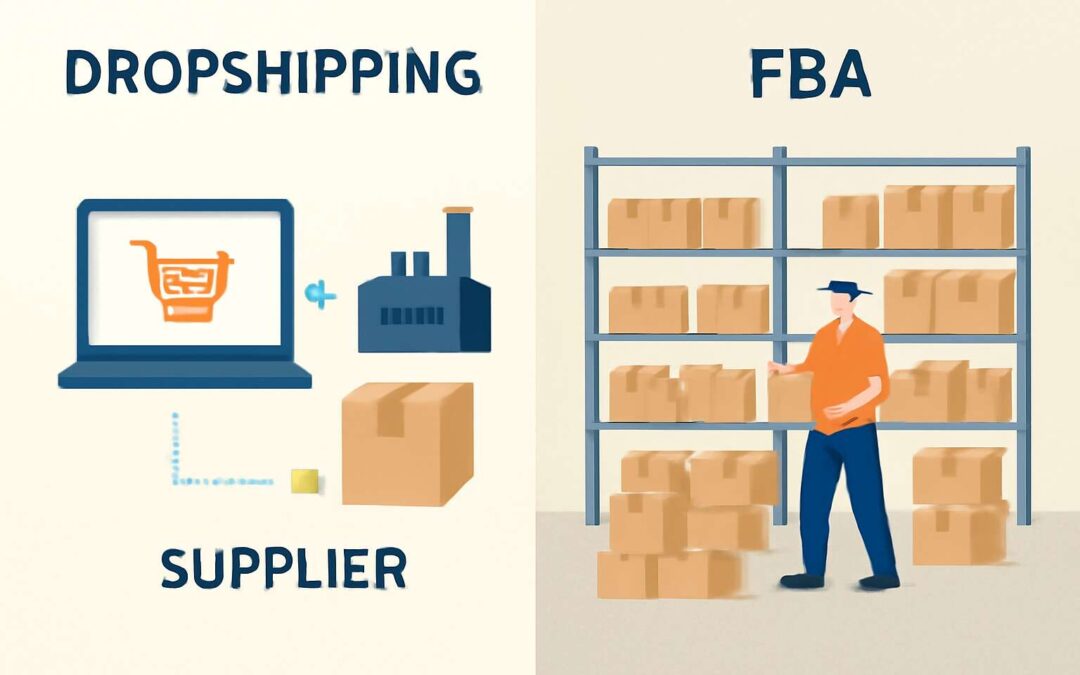
Understanding what dropshipping is helps navigate the choice between models. Dropshipping reduces upfront stock, relies on suppliers to ship directly to customers, and lets you test ideas without warehouses. The decision between dropshipping vs fba shapes risk, cash flow, and control in quiet, resonant ways.
- Lower initial investment
- Hidden costs and margins
- Fulfillment speed considerations
In SA markets, the elegance of dropshipping hinges on aligning supplier reliability with shopper expectations, a quiet discipline that rewards not just price but a coherent brand experience.
Pros and Cons of Dropshipping
Velocity over inventory has become the currency of SA’s bustling e-commerce scene. A seasoned retailer once told me that speed and reliability aren’t just operations—they’re trust you sell to customers every day. Understanding the pros and cons of dropshipping helps you navigate the tug between experimentation and stability.
- Lower upfront investment that preserves cash for growth
- Rapid product testing without warehousing commitments
- Dependence on supplier fulfillment and quality control
- Margin pressure and hidden costs that can erode profits
In South Africa, aligning supplier reliability with shopper expectations is a quiet discipline that shapes the brand you build. When weighing dropshipping vs fba, many sellers balance control, speed, and cost, letting the decision mirror the story your business wants to tell.
Common Models and Niches
Speed is trust, the veteran SA retailer likes to say, and the fast-paced e-commerce scene in our towns proves the point. A glance at local markets shows customers decide in moments and rarely look back when delivery is reliable. In understanding dropshipping common models and niches, that speed translates into choices about what to stock and who delivers.
Common models and niches include:
- Regional supplier partnerships that shorten lead times and cut customs friction
- Niche essentials for SA households, from solar accessories to eco-friendly hydration gear
- Seasonal and giftable items that test demand quickly without heavy stock
When weighing the broader question of dropshipping vs fba, those models matter for supplier choice, speed, and margins across SA’s diverse shopper base. The right niche tells a story that resonates locally and helps a brand stand out in a crowded market.
Operational Steps to Start
In South Africa’s bustling online markets, speed is the unspoken currency of trust. A telling stat whispers through the aisles: “60% of SA shoppers will abandon a cart if delivery exceeds three days,” such a truth fuels the conversation around dropshipping vs fba, where fulfillment tempo can tilt the balance between a sale and quiet disappointment.
Operational steps to start unfold like a map through a sunlit market. The wind favors regional partnerships, clear timelines, and automation that keeps orders moving.
- Regional coverage alignment
- Transparent shipping promises
- Automated order flow and tracking
Beyond the mechanics, the journey is a narrative where local flair meets global logistics, and speed kisses reliability to birth brand loyalty in SA’s vibrant towns.
Understanding Amazon FBA
How FBA Works
In a landscape where speed is currency, the choice between dropshipping vs fba can tilt every sale. In South Africa, Amazon’s FBA channel offers a bridge to global customers, pairing local sellers with a trusted fulfillment network.
Understanding how FBA works reveals how orders travel from cart to doorstep.
- Inventory is sent to Amazon fulfillment centers and stored securely.
- Amazon manages picking, packing, and shipping when orders arrive.
- Customer service and returns are handled by Amazon on your behalf.
FBA offers scale and reliability, with branding and Prime-ready delivery as its call cards; yet storage fees, import logistics, and dependence on a single platform invite careful budgeting.
Fees and Cost Structure
Speed is currency in online retail, and Amazon FBA lays out a fee map that can tilt margins in South Africa. The cost structure isn’t a single line item—it shapes pricing, cash flow, and how fast stock turns. When weighing dropshipping vs fba, you read the numbers, not just the promises. “Speed is currency,” SA sellers say, and that pace shows up in fulfillment costs and service levels.
Key cost components include:
- Fulfillment fees covering picking, packing, and shipping per unit
- Storage charges based on space used and time in Amazon warehouses
- Inbound shipping and duties for imports, plus returns processing
- Long-term storage penalties and removal or label fees
Understanding these charges helps frame margins and how FBA fits into a South African e-commerce strategy.
FBA Pros and Cons
Understanding Amazon FBA isn’t magic; it’s a discipline of pace, control, and trust. In the dropshipping vs fba debate, many SA sellers discover FBA can turn a careful stock plan into near-instant delivery and steady customer feedback. For South Africa, speed translates to trust and reach, but inbound duties and longer lead times complicate margins and planning. It’s not magic; it’s ruthless discipline!
Here’s a quick read on the trade-offs:
- Pros: Prime eligibility and scalable fulfillment
- Cons: tighter margins and dependence on carrier schedules
- Considerations: returns flow and branding constraints
Ultimately, the choice hinges on risk tolerance, capital, and the market profile you serve in SA. FBA can turn busy days into predictable cash flow while preserving customer experience—if you hedge duties and lead times.
Inventory and Shipping Requirements
Prime-eligibility is the currency of trust, and in South Africa inbound timing can be as volatile as our weather. A startling 60% of SA sellers report inventory delays squeezing margins. Understanding Amazon FBA Inventory and Shipping Requirements means mastering labeling, prep, and inbound scheduling so stock lands at the right fulfillment center—fresh and fast.
- Every unit bears the FNSKU label and is packed to Amazon’s standards, including polybags with proper warnings where required.
- The inbound carrier and shipment plan are chosen with accurate carton dimensions, weights, and destination centers to prevent misrouted pallets.
- Inbound progress is tracked, with an eye on storage fees and the option to remove or repack stock if it sits too long in a facility.
All this informs the view on dropshipping vs fba, where stock control and capital shape whether you enjoy predictable cash flow or chase the next delivery window.
Direct Comparison: Key Factors to Consider
Startup Costs and Cash Flow
In a direct comparison of dropshipping vs fba, startup costs and cash flow set the tempo for every decision. A hard-won maxim—“Cash flow is the lifeblood of any business”—echoes through both models, reminding entrepreneurs that timing outpaces trend. Dropshipping typically requires less upfront cash and no warehouse space, while FBA asks for inventory and storage commitments; the balance shifts with supplier terms and demand forecasts.
- Starting costs: dropshipping often runs lean; FBA demands inventory purchases and prep.
- Cash-flow cadence: orders fund suppliers in one cycle, while customer payments can lag in others.
- Hidden costs: storage, returns handling, and seasonality can compress margins.
Ultimately, the SA market rewards clarity over bravado. The choice between dropshipping vs fba hinges on timing, margin structure, and risk tolerance, rather than a universal rule. With disciplined pricing and realistic forecasts, either path can sustain a brand without overextending working capital.
Fulfillment Speed and Reliability
Fulfilment speed and reliability aren’t just nice-to-haves—they’re your customer’s heartbeat. In South Africa’s bustling ecommerce scene, the choice between dropshipping vs fba often comes down to how quickly orders arrive and whether they arrive intact. Speed isn’t vanity; it’s conversion—and yes, it can make or break your quarterly forecast.
- Transit times and carrier options across South Africa and neighboring markets
- Pick-and-pack accuracy and on-time performance
- Returns processing speed and the reverse logistics tango
- Seasonal demand handling and scalable capacity
In practice, the decision hinges on balancing speed and reliability against cost and control. Either model can win if you align expectations with your supply chain and keep customers informed during the transit dance.
Brand Control and Customer Experience
Speed is the heartbeat of brand trust. Between dropshipping vs fba, brand control and the customer journey become the yardstick by which orders land in South Africa’s bustling ecommerce scene.
With dropshipping, packaging and messaging often flow from the supplier, while FBA lets you curate a tighter, more consistent shopper experience. Returns and data insights also sway loyalty, and that balance shifts with the country’s varied transit realities across SA and its neighbors.
- Brand appearance and packaging control
- Customer service communications during the order lifecycle
- Returns processing and reverse logistics
- Access to post-purchase data and insights
Ultimately, the right choice aligns expectations with your supply chain, keeping customers informed through every mile of the transit dance.
Risk and Compliance
In the fast lanes of South Africa’s ecommerce, risk isn’t a rumor—it’s the throttle that keeps momentum or stalls it. In the dropshipping vs fba debate, compliance and trust become the true yardsticks for every order.
Key risk and compliance factors include:
- Supplier reliability and product safety standards
- VAT, duties, and tax obligations for cross-border trade
- Data privacy, returns handling, and consumer protection rules
By weighing these items, the choice between these approaches becomes less about speed and more about integrity in the customer journey.
Market Reach and Scalability
In the brisk traffic of South Africa’s online marketplaces, reach and scalability determine whether a business sticks or fades. In the debate of dropshipping vs fba, the question isn’t speed alone but how far a brand can travel while protecting margins. The conversation centers on footprint, flexibility, and how well customer expectations are met across SA’s diverse communities.
Key factors shaping market reach and scalability include:
- Market reach across urban centers and rural towns
- Supplier network breadth and product variety
- Fulfillment footprint and delivery reliability
These choices redefine the growth trajectory by balancing logistics, cost, and customer experience in South Africa. The ongoing comparison of dropshipping vs fba highlights where branding, speed, and post-purchase support intersect with local consumer expectations.
Case Studies and Real-World Scenarios
Small Brand Scenario
In a South African market snapshot, 58% of small brands report faster initial traction when testing ideas with dropshipping vs fba, a spark that lights the online shelves and local markets alike.
Consider a Durban-based artisan candle line that pilots scents through a dropshipping arrangement, watching demand glow without hoarding stock. Meanwhile, a Cape Town gadget start-up rides the momentum of a first few hits and shifts to fulfilment within the warehouse network often used by local retailers.
- Dropshipping vs fba reveals divergent paths: rapid testing and lean cash flow in the Durban case.
- Stock control and packaging feel stronger when stock is centralized in FBA-like fulfillment in Cape Town.
- Storytelling, packaging, and trust bridge the gap regardless of the path.
These small-brand narratives shimmer with possibility, turning numbers into neighborhoods and shelves into stories.
Large-Scale Ecommerce Scenario
Across South Africa’s vibrant trade lanes—from Durban’s bustling harbor to Cape Town’s glittering retail corridors—the story of expansion writes itself in orders and deliveries. In large-scale ecommerce, the conversation about dropshipping vs fba plays out in real time, as brands test, learn, and grow without breaking the bank. I’ve watched teams choreograph speed, trust, and visibility into a single, shimmering supply chain.
- Global reach paired with lean upfront costs
- Clear inventory visibility and reliable fulfillment
- Consistent brand experience and packaging control
Big-stage scenarios transform markets into theatres; stories emerge from warehouses, customer reviews, and predictable delivery windows. The magic lies in choosing a path that keeps the lights on and the shelves full, while never losing heart or imagination.
Niche Product Case
A Cape Town skincare line saw a 35% lift in repeat orders within three months after testing different fulfillment paths. Across Durban’s harbor and Johannesburg’s corridors, they piloted dropshipping vs fba in real time, chasing speed without sacrificing quality. A careful supplier agreement, elegant packaging, and transparent returns turned a fragile idea into steady growth, proof that the right fit can transform a brand’s daily rhythm.
Here are quick snapshots from the field:
- Coordinating supplier lead times to keep shelves full without overstock
- Maintaining consistent packaging and customer experience across channels
Niche product journeys reveal that success hinges on precision, not power.
Hybrid Strategies and Hybrid Models
Across SA’s e-commerce scene, speed remains the currency of winners. A recent South African shopper survey found 68% would pay a premium for faster delivery, a fact that keeps even polished brands on their toes. The debate over dropshipping vs fba is less about dogma than choreography—moving goods without denting the brand.
Case studies reveal hybrid strategies that blend the nimble heart of dropshipping with FBA’s reliability. A Cape Town skincare line tested this balance, syncing lead times, packaging standards, and transparent returns across channels to steady growth!
- Coordinating supplier lead times to keep shelves full without overstock
- Maintaining consistent packaging and customer experience across channels
- Transparent returns and efficient post-purchase support
These journeys show success hinges on precision, not power; hybrid models reward discipline, data, and a dash of South African pragmatism.